Food and drinks goods are notoriously hard to classify because of the complex nature of their make-up, extensive ingredients list, varying production methods and different packaging options. When BREXIT arrived, it brought a raft of new regulation and procedure to retailers’…
Key takeaways
- Post-Brexit rules from 1 January 2021 required new customs and tax processes for GB-NI shipments
- M&S Food implemented TariffTel to manage classification across its full food and drink range
- Classification became five times faster with no over- or under-payment of duty
- TariffTel also supported M&S Food's successful AEO application
Food and drinks goods are notoriously hard to classify because of the complex nature of their make-up, extensive ingredients list, varying production methods and different packaging options. When BREXIT arrived, it brought a raft of new regulation and procedure to retailers’ doorstep to further complicate things, particularly impacting those in the food and drink industry.
From the 1st January 2021, all businesses that shipped goods between Great Britain and Northern Ireland needed to follow a new set of customs and tax rules which meant significant changes to the way they had previously run their business. This included one of Britain’s much loved, and popular, food retailers, M&S.
How M&S met the challenge of increased regulation from BREXIT
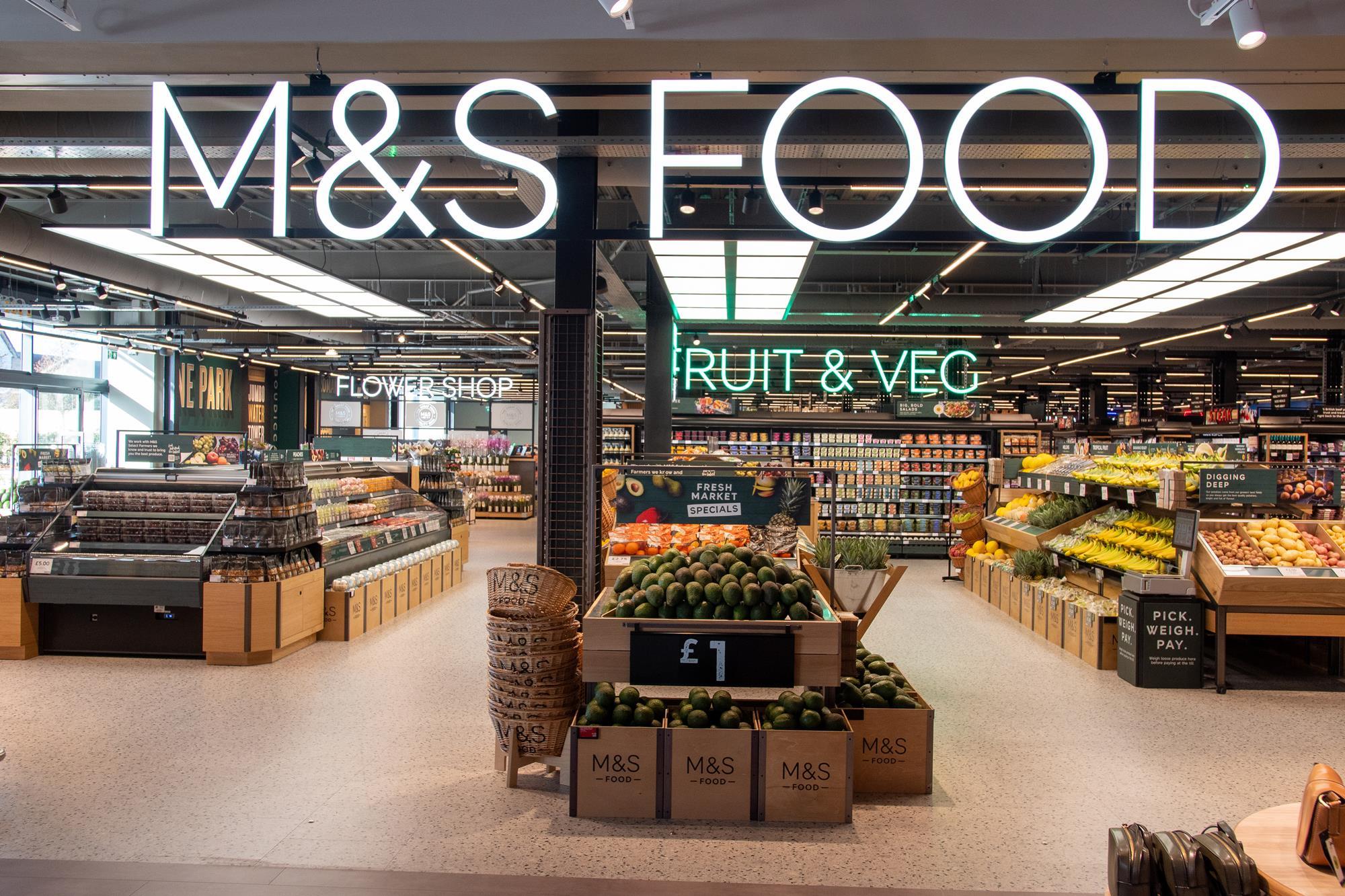
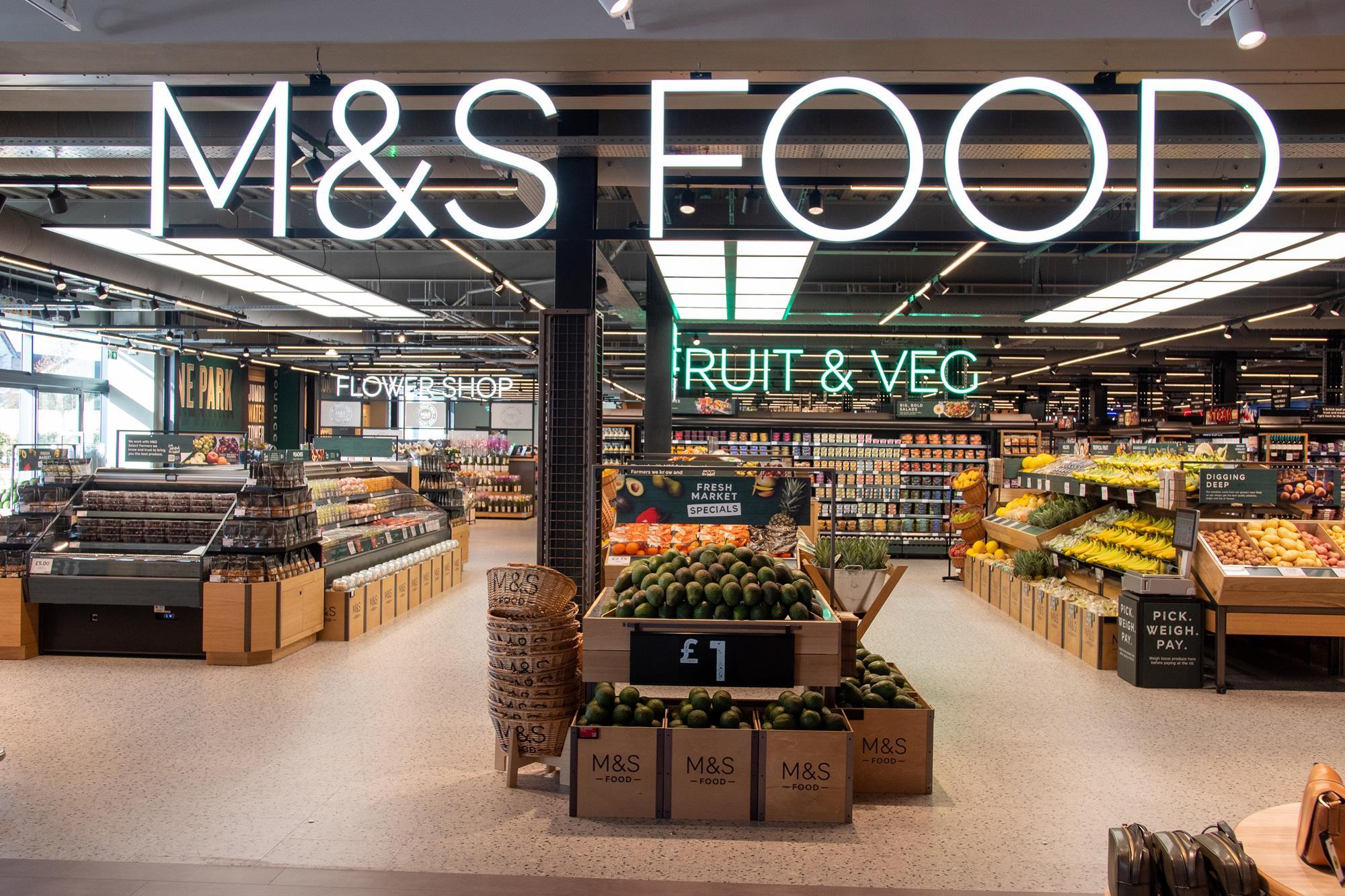
M&S addressed the challenge head on by implementing TariffTel to manage all food classification. TariffTel provided the streamlined, accurate and quick approach to classification that was needed at this time. Working together, we ensured M&S’s much- loved food and drinks products continued to cross borders smoothly through BREXIT and that consumers were unaffected.
Success was down to TariffTel’s focus on prioritising compliance and accuracy in the customs classification process. Understanding food classification is complex and specialised but having the right classification solution, backed by an expert classification team, means the challenges can be overcome. Complexities often come down to variations in a product’s composition which can shift a classification within a Heading or move it across Chapters. Further difficulty comes about when interpreting the tariff between different regions. This can lead to the same product having a different tariff code based on the import region which in turn makes it challenging for businesses to ensure compliance across multiple markets.
More often than not, the sheer volume of information needed to make an accurate classification can be hard to come by. The specific and varied challenges of food classification are discussed in greater detail in this dedicated food classification blog.
M&S further met the challenge of BREXIT by engaging in the process of an AEO application which requires businesses to prove their systems are robust and fully compliant with customs regulations. We’re proud to say that TariffTel was a part of this successful application.
Why TariffTel?
TariffTel has a unique method to classification. Not only does it integrate with a business’ internal systems, it also leverages a business’ suppliers in the classification process allowing them to input key data about products for verification. It captures all the data needed including product characteristics such as sugar and fat content, to enable the correct tariff code to be assigned. As a result, M&S is assured it is paying the correct duty on every product, and there is no under or over-paying which can often happen.
Working collaboratively, TariffTel’s customs experts are able to assist with classifying even the most complex of food and drink products including, for example, a vegan composite ready meal, made primarily of mycoprotein, with only trace elements of vegetables.
The success of implementing TariffTel at M&S
This level of digital transformation provides M&S with a framework for the future. TariffTel not only streamlined classification processes to speed up the time it had previously taken to classify a product (with classification speeds increasing 5 times), but it ensured M&S had the correct tariff code every time, allowing them to gather documentation relating to the code and be compliant.
Shipment delays due to incorrect classification codes were avoided and the team were assured that they were paying the correct duty rates on all products. The new system enabled M&S to adapt and maintain its trading alliances with suppliers and stores across Northern Ireland and deliver the same high-quality service and smooth- running operation it always had.

Elizabeth Davies, TariffTel’s Head of Customs Classification and Compliance, says, “This solution was transformative for M&S and ensured they managed the introduction of new BREXIT regulations smoothly, and without disruption to customers. TariffTel’s classification is expert-backed and audit-ready. When high standards of compliance are crucial in your organisation, businesses need a solution that gives them the right code, the right duty and the proof.”
To find out more about a tariff code solution that’s right for your business or want to learn how your business could benefit from TariffTel, get in touch with our team.
Today that support is delivered through TTVerified, our expert-backed, audit-ready platform, with TTExplore for fast self-serve classification and Managed Services if you would rather hand it over.
Related reading: food and drink classification, how to get your tariff codes right and the consequences of misclassification.

Elizabeth Davies
Elizabeth has more than 15 years’ experience in customs classification, advising UK retailers, manufacturers and food producers on getting commodity codes right and keeping them right. A regular speaker at Food and Drink Federation (FDF) webinars, she leads the team behind TariffTel’s expert-verified classification methodology.
Connect with Elizabeth on LinkedIn