



Fashion Classification

Thousands of SKUs. Every code right.

Knitted versus woven, fibre blends measured to the percentage, footwear split by upper and sole, and hundreds of new lines every week. Apparel is one of the hardest sectors to classify, and it is not all textile: some garments are plastic, coated or rubber and sit in different chapters again. TariffTel pairs deep textile expertise with customs specialists to deliver accurate, audit-ready HS codes at fast-fashion scale.
20,000 SKUs Classified
Expert-backed
ISO 27001
Unsplash 1441984904996 E0b6ba687e04 Fd5b42
HS Code Verified
6109.10.00
Knitted cotton T-shirt
100% Compliant
boohoo UK→US apparel
Over 1.5 million products classified. Trusted by leading UK and European brands.
Asda Logo White Small
Mns Logo White
Parimark Logo White
Portwest Logo White 1
Why Fashion Is Hard To Classify

A garment can change code without changing how it looks

Apparel classification turns on construction, fibre weight, the intended wearer and, for footwear, the material of the upper and sole. It can also turn on the material itself, where a garment is plastic, coated or rubber rather than textile. Small specification changes move a product across headings, and fast fashion makes thousands of these decisions every week.

61 / 62
Knitted vs woven chapters.

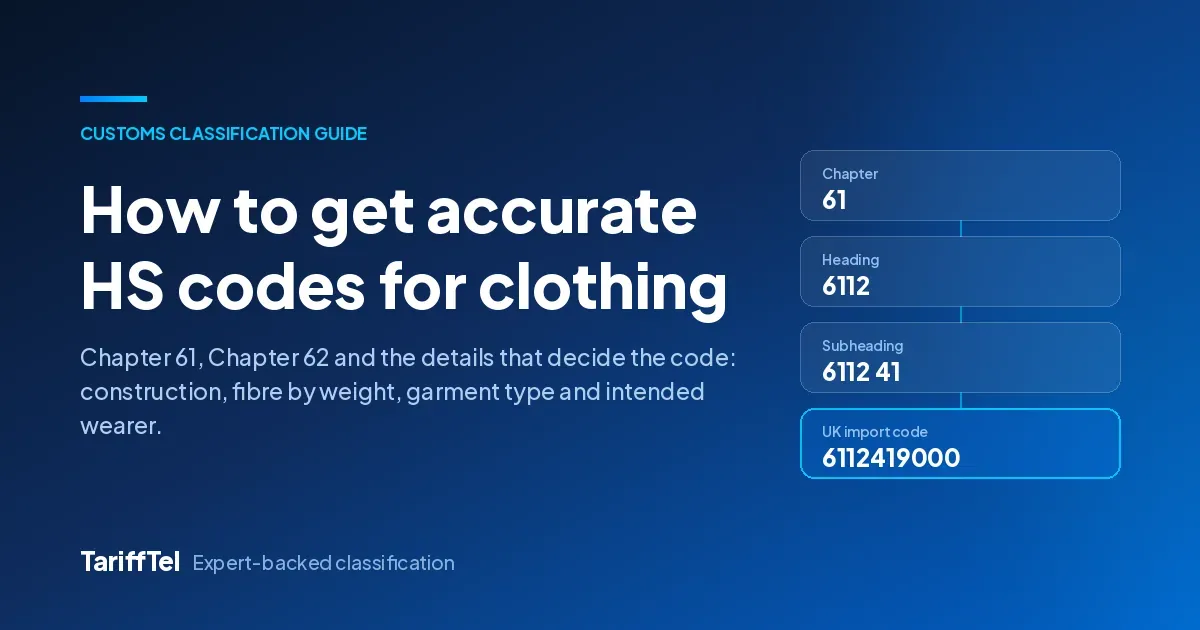
Construction usually decides the chapter: knitted or crocheted garments mostly sit in Chapter 61, woven garments in Chapter 62, and the duty can differ. There are exceptions written into the chapter notes, for example a fitted bra goes to heading 6212.

5%
Fibre shift changes the code.

The chief-weight fibre rule governs the heading. A few percentage points of polyester swapped into a cotton blend can move the product to a new code and duty rate.

100s
New lines every week.

Fast-fashion ranges add hundreds of SKUs per week. Every line needs an accurate code before it ships, which overwhelms manual classification.

£2,500
HMRC penalty per wrong code.

HMRC can issue penalties of up to £2,500 per incorrect commodity code, plus back-duty demands going back four years. Across thousands of SKUs the exposure is severe.

TTVerified dashboard
Setup time
5 minutes

Get accurate HS codes with TTVerified

TTVerified gives your team accurate, expert-backed HS codes for every garment, in a few clicks. No customs expertise needed. Free codes included when you sign up.

Tell us construction, fibre weight and the intended wearer, and get the right code back. TariffTel only asks for the detail a given garment needs.
Every code is backed by a customs specialist before you rely on it.
Full audit trail for HMRC compliance.
Get StartedNo credit card required
Where Apparel Trips Up Generic Tools

The detail that decides the duty

A jersey top that is 95% cotton and 5% elastane. The same style re-cut in a woven poplin. A trainer with a textile upper and a rubber sole. Each looks like a simple product, yet each demands precise data and expert judgement to land on the correct HS code.
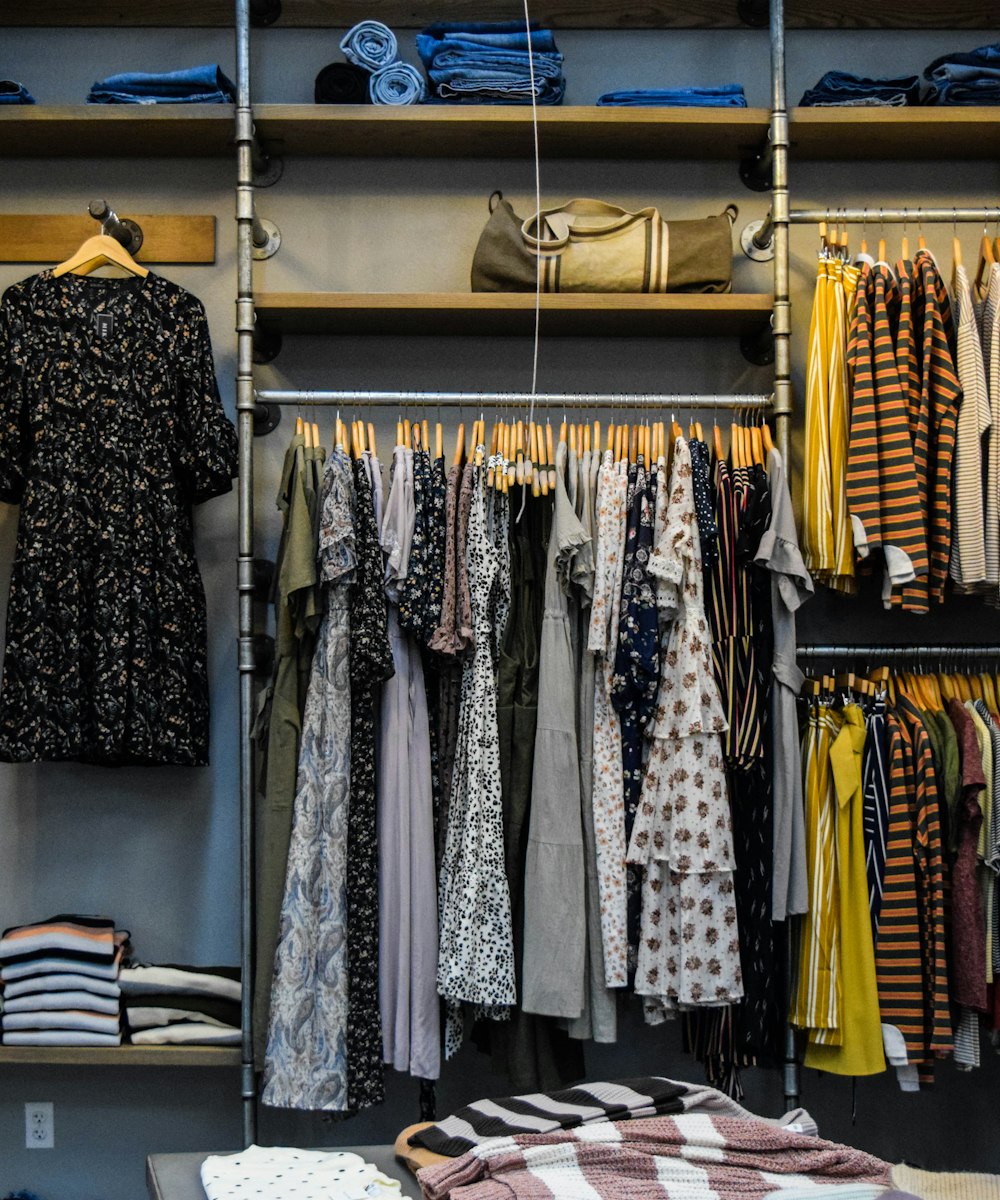
Construction usually sets the chapter. Knitted or crocheted goes to Chapter 61, woven to Chapter 62, for the same garment type, though chapter notes carry exceptions such as the fitted bra in 6212.
The chief-weight fibre rule governs the heading. The material with the greatest weight decides it, so a 5% blend change can move the code and the rate.
Footwear is split by materials, and more. Chapter 64 codes depend on the upper and the outer-sole material, and on whether the footwear meets the legal definition of waterproof, which not all weatherproof-looking shoes do.
Not every garment is textile. Plastic, coated and rubber items, and some specialist garments, sit in other chapters, so the product is assessed under the General Rules of Interpretation in order, not by name.
Unsplash 1567401893414 76b7b1e5a7a5 501acf
Classification Challenge
Women's knitted top, 95% cotton / 5% elastane
Resolved: 6106.10.00
Our Process

How we classify clothing and footwear

A rigorous, three-stage process built on deep textile expertise and designed to keep up with fast-fashion volume without letting errors reach your supply chain.

1

Analysis.

We apply the General Rules of Interpretation in order, review the chapter and section notes (Chapters 61, 62, 64 and 65, and others where a garment is not textile), and check established rulings to confirm how each garment, shoe or accessory should be coded, including how retail sets are treated under GRI 3.

2

Data collection.

We capture the data points that affect the code. The most common are construction (knitted or woven), full fibre composition by weight, garment type, the intended wearer by gender and age, and for footwear the upper and outer-sole materials. What is needed varies by product.

3

Verification and monitoring.

Codes from TTVerified are backed by a specialist customs expert before delivery. We then monitor tariff and trade-agreement changes so codes can be kept current, and every classification carries an audit trail of the inputs and the decision.
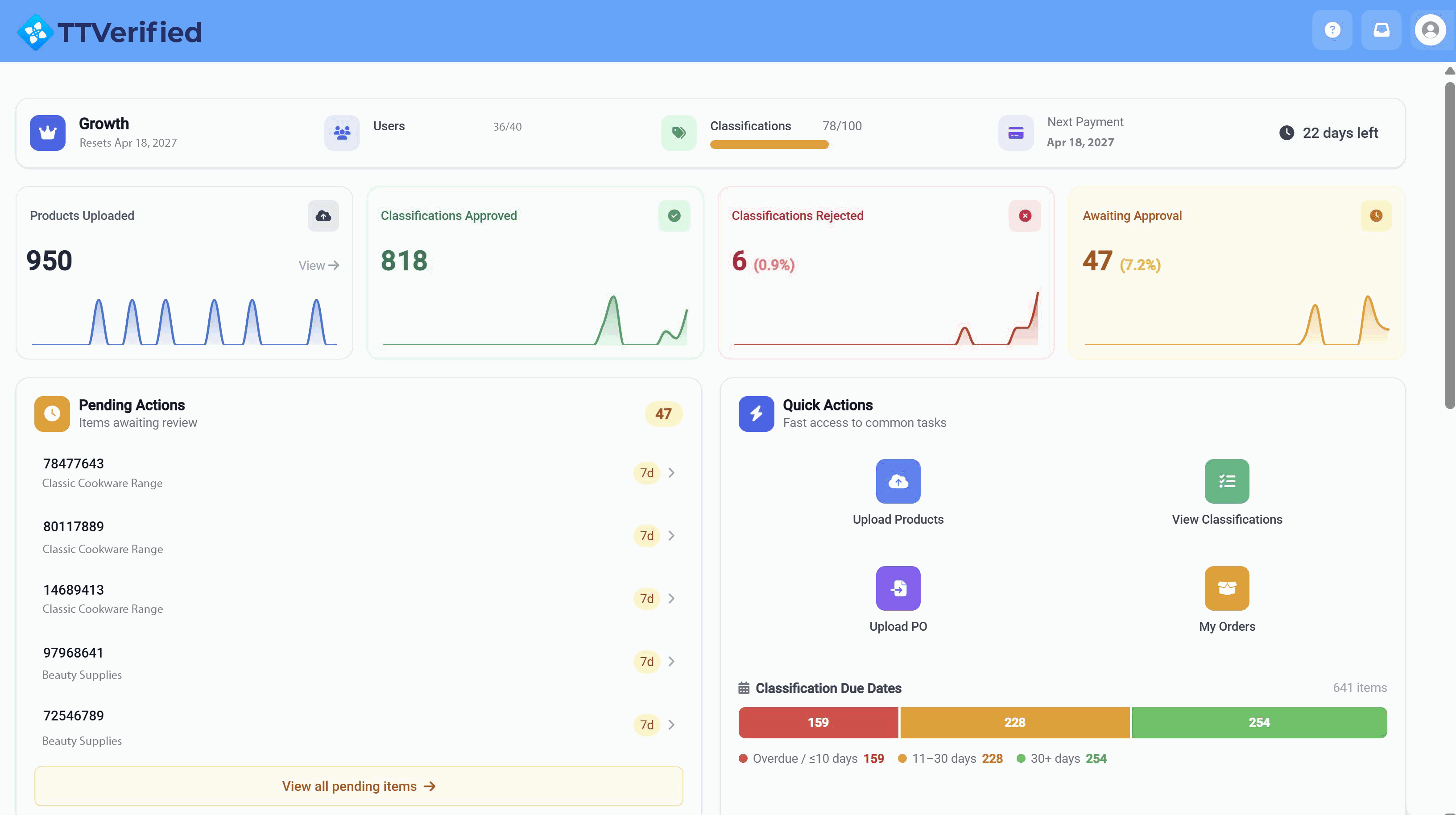
TTVerified dashboard
Case Study

How boohoo classified 20,000 SKUs with 100% compliance

When boohoo needed to ship a vast fast-fashion range from the UK to the United States at speed, it turned to TariffTel to classify every line accurately — in just four months.

The Challenge
Boohoo group set out to transform their approach to customs classification with TariffTel. Their goal was to ensure the smooth and quick entry of millions of units into the US. Their first challenge was to quickly and accurately classify thousands of SKUs, a complicated task given boohoo group stored only partial product master data. Further difficulty lay with the complexities of the US customs controls which vary significantly to the UK.
The Solution
TariffTel classified boohoo's catalogue at scale, combining platform automation with expert verification. The platform captured knitted versus woven construction, full fibre breakdowns by weight and the intended wearer for every line, applied the General Rules of Interpretation, and produced a complete audit trail to support customs compliance on both sides of the Atlantic.
Results
100%
Compliance record
20k
SKUs classified
4 mo
From start to shipped
UK→US
Cross-border at scale

Classifying tens of thousands of fashion lines accurately and at speed is exactly the kind of challenge TariffTel was built for. Construction, composition and the intended wearer are captured for every SKU, with the audit trail to back it up.

TC
TariffTel Classification Team
boohoo apparel programme
Product Coverage

Every apparel category, classified

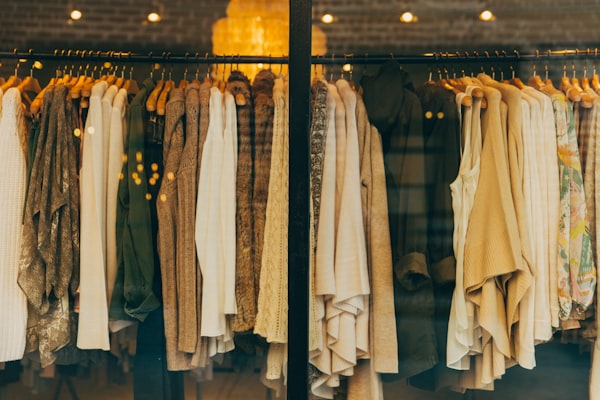
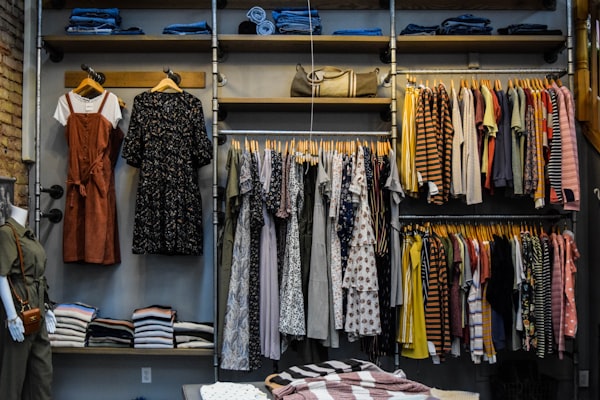
From knitted basics to woven tailoring, footwear to hats, gloves and belts. TariffTel's experts handle the full spectrum of fashion classifications across Chapters 61 to 65 and beyond.
Unsplash 1445205170230 053b83016050 544399
Knitted & Crocheted (Ch 61)
T-shirts, jersey tops, jumpers, leggings, knitted dresses, sweatshirts, polo shirts
Unsplash 1567401893414 76b7b1e5a7a5 79a5fd
Woven Apparel (Ch 62)
Shirts, blouses, trousers, jeans, tailored jackets, coats, woven dresses, skirts
Unsplash 1441984904996 E0b6ba687e04 9b5003
Footwear (Ch 64)
Trainers, boots, sandals, heels, classified by upper and outer-sole material, and by whether they meet the definition of waterproof.
Unsplash 1445205170230 053b83016050 E8c5c6
Accessories
Hats, gloves, scarves, belts and ties. Textile accessories can fall in Chapters 61, 62, 64 or 65 depending on the item.
Unsplash 1567401893414 76b7b1e5a7a5 993440
Apparel of Other Materials
Leather, plastic, plastic-coated and rubber garments and accessories (Ch 39, 40, 42, 43).
Unsplash 1441984904996 E0b6ba687e04 9b1f65
Babywear & Childrenswear
Garments where age and size drive distinct headings, including babies' clothing
Unsplash 1445205170230 053b83016050 3b2a72
Built for Volume
Thousands of SKUs at speed
Why TariffTel for Fashion

Built for the speed and detail of fashion

From a quick lookup with TTExplore to full programme delivery with Managed Services, we understand apparel classification at a level generic tools simply do not reach.

Expert-backed accuracy.
With TTVerified and Managed Services, every HS code is backed by a specialist customs expert. The platform does the legwork; customs experts stand behind the result.
Fast-fashion scale
Classify hundreds of new lines a week. TTExplore gives quick code lookups; TTVerified and Managed Services handle full catalogues.
Audit ready.
Every classification carries an audit trail of the inputs and the decision. The correct HS code is the starting point for any preference claim, but the rules of origin are separate and you check those against the relevant agreement.
ISO 27001 certified
Independently audited by NQA across UK and EU operations. Your product data is protected to the highest standard.
FAQ

Fashion classification questions

Common questions from fashion brands, retailers and exporters about apparel and footwear tariff classification.

Talk to a Specialist
Most clothing is classified using the Harmonised System, where garments split between knitted or crocheted apparel (Chapter 61) and woven apparel (Chapter 62) based on construction. Within those chapters the code depends on the garment type, the gender and age of the intended wearer, and the textile composition, with the chief-weight fibre rule deciding which material governs the heading. Not all clothing sits in 61 or 62, though: garments made of plastic, coated fabric or rubber can fall in other chapters, and some specialist items, such as period underwear and swimwear, fall in heading 9619. Footwear sits in Chapter 64 and is classified by the material of the upper and the outer sole. Accurate classification means working through the General Rules of Interpretation rather than assuming the chapter from the product name.
Construction usually determines the chapter. Knitted or crocheted garments mostly fall under Chapter 61, while woven garments fall under Chapter 62, and the same item, for example a man's shirt, can attract a different duty rate depending on whether the fabric is knitted or woven. There are exceptions set out in the chapter notes, so construction is confirmed for every line rather than assumed from the product name. A product developer changing a fabric mid-season from a woven poplin to a knitted jersey moves the code across chapters.
Within Chapters 61 and 62 the code is driven by the chief-weight fibre — the textile material that makes up the greatest weight of the garment. A top that is 96% cotton and 4% elastane is classified as cotton, but if a blend shifts so polyester becomes the chief weight, the heading and duty rate change. A change as small as five percentage points in the fibre mix can move a product to a new code, so the exact composition by weight, not by marketing description, is required for every garment.
Fast-fashion ranges introduce hundreds of new lines every week, each needing an accurate code before it can ship. TariffTel combines platform automation with expert verification so high volumes of new SKUs are classified quickly without sacrificing accuracy. For boohoo, TariffTel classified more than 20,000 SKUs shipped from the UK to the US in four months with a 100% compliance record, capturing construction, fibre composition and intended wearer for every line and maintaining a full audit trail for HMRC.
Often yes, but only if the goods meet the rules of origin in the relevant agreement, such as the UK-EU Trade and Cooperation Agreement, CPTPP, or other UK free trade agreements. Textiles and apparel typically carry processing-based origin rules, for example requiring manufacture from yarn or fabric of a qualifying origin. The correct HS code is the starting point, because rules of origin are written against the commodity heading, but classification and origin are separate questions and meeting one does not establish the other. TariffTel classifies each garment accurately; you assess origin against the rules of the agreement you want to use.

Stop guessing your fashion tariff codes.

Join boohoo, Primark and leading fashion brands who trust TariffTel for accurate, expert-backed HS codes across clothing, footwear and accessories, at fast-fashion scale.

PricingExplore our products