Key takeaways
- Whether a product qualifies as a 'festive article' under Heading 9505 depends on material, use and design, not just appearance
- Textile fancy-dress costumes are excluded from 9505 under Chapter Note 1e, even when clearly Christmas-themed
- Inflatable costumes and novelty items can still qualify for 9505
- Snow globes and winter-themed ornaments require careful reading of the Additional Chapter Notes to distinguish 'Christmas' from generic 'winter'
Classifying Christmas products can add a bit of sparkle to anyone’s day. From costumes to Christmas tree decoration and table ornaments, the vast range of seasonal items usually brings with it joy, as well as a bit of apprehension as to what specific classification challenges each product could throw up!
Properly assigning the correct tariff code to items involves careful attention to detail, a knowledge of trade regulations, and an understanding of the nuances in product design and production. No one ever said classification was a simple task!
Here, we explore some of these key challenges and common pitfalls, as well as explain how our TariffTel solution helps streamline the process so you can focus on the joys of Christmas. Wouldn’t that be nice?
Key considerations in classifying Christmas products
When classifying Christmas items, it’s essential to determine whether the product is a festive article under Heading 9505 or if it falls into a different category. Factors such as material, intended use, and design all play a role in deciding this from the very start.
For example, is a Father Christmas costume considered a festive article, or is it classified as a garment? If an item is winter-themed rather than Christmas-specific, should it still be under festive articles, or does it fall into general decorative categories? These are some of the questions to ask yourself which will ensure you reach the correct tariff code.
Common problems in classification
A common issue we see is the misclassification of Christmas costumes. For instance, a woven textile Father Christmas trouser and jacket set is often mistakenly classified as a festive article (Heading 9505). It’s easy to understand why, this is on the surface a Christmas outfit after all. However, due to Chapter Note 1e, which excludes fancy dress of textiles, these items should be classified as individual garments under Chapters 61 or 62. Even though we wouldn’t wear a Father Christmas costume in the day-to-day, and these costumes are often relatively flimsy and not necessarily “well made”, they are still classified as if they are regular garments of Chapter 61 or 62 based on Chapter Note 1e.
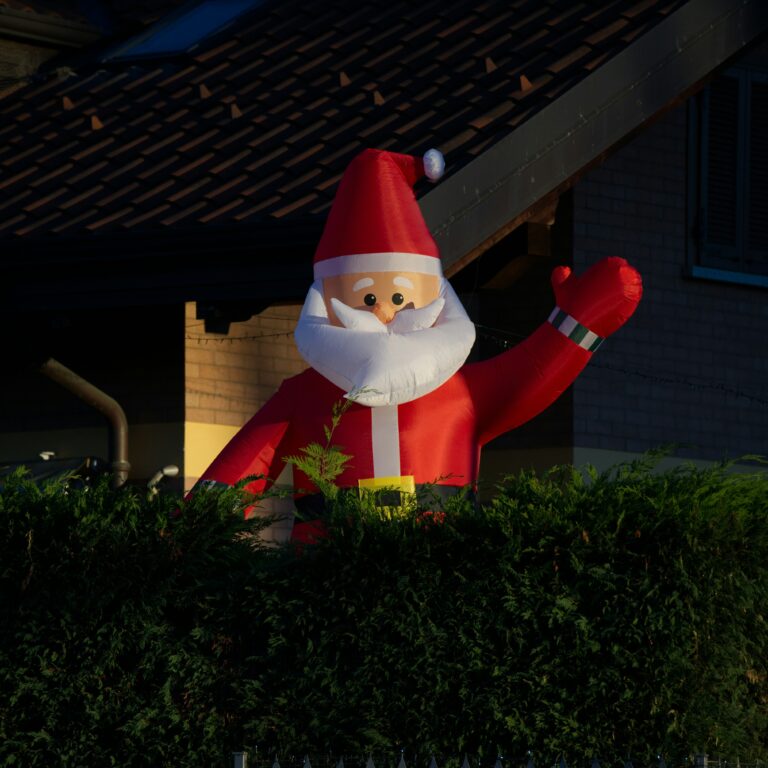
On the other hand, an inflatable Father Christmas costume is considered a novelty item, not for general wear and is not made of textile, so would be correctly classified under Heading 9505.
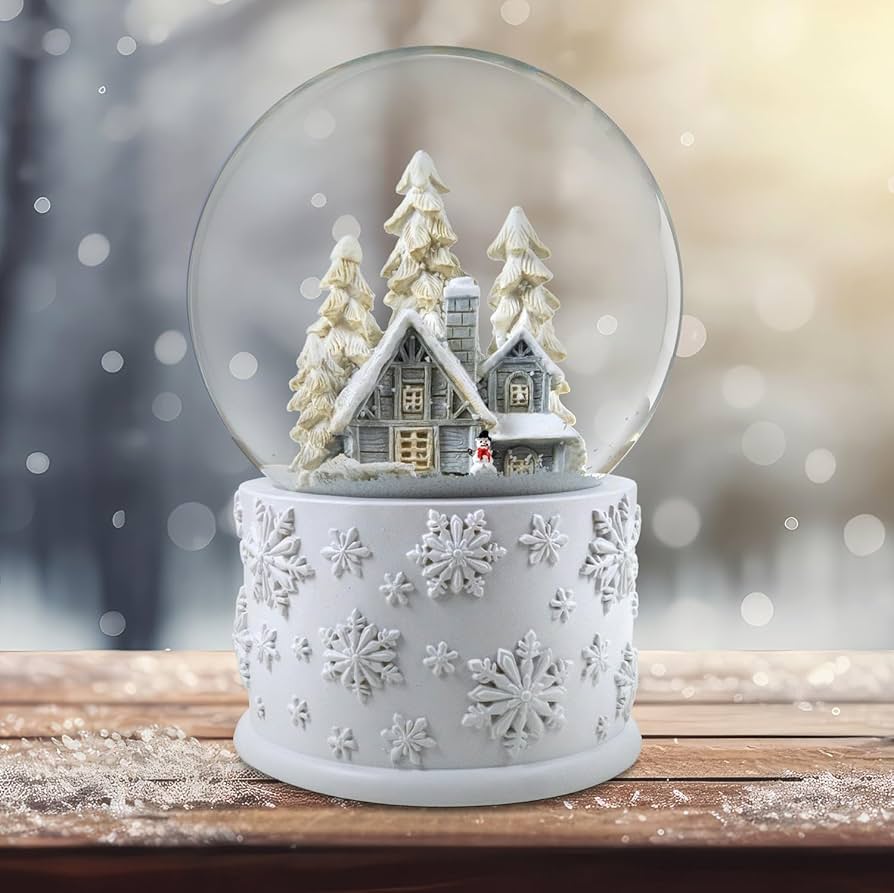
Another tricky area is snow globes. Understanding where snow globes, and other Christmas or Winter themed ornaments should be classified requires an understanding of what the Tariff deems to be “Christmas themed” and what is simply a winter theme. This distinction is not immediately clear, however, if we examine the Additional Chapter Notes for Heading 9505, we can find the answer.
Additional Chapter note 1a) explains in the first paragraph that this heading covers, “…articles recognised as being used at Christmas festivities due to long standing national traditions, such as…Father Christmases with or without a sledge”
Following this, in the final paragraph it describes the articles not associated with Christmas Festivities, “The subheading does not cover articles of the winter season which are suitable for a more general use as decorations during that season…such as reindeers, robins, snowmen, and other images of the winter season…”
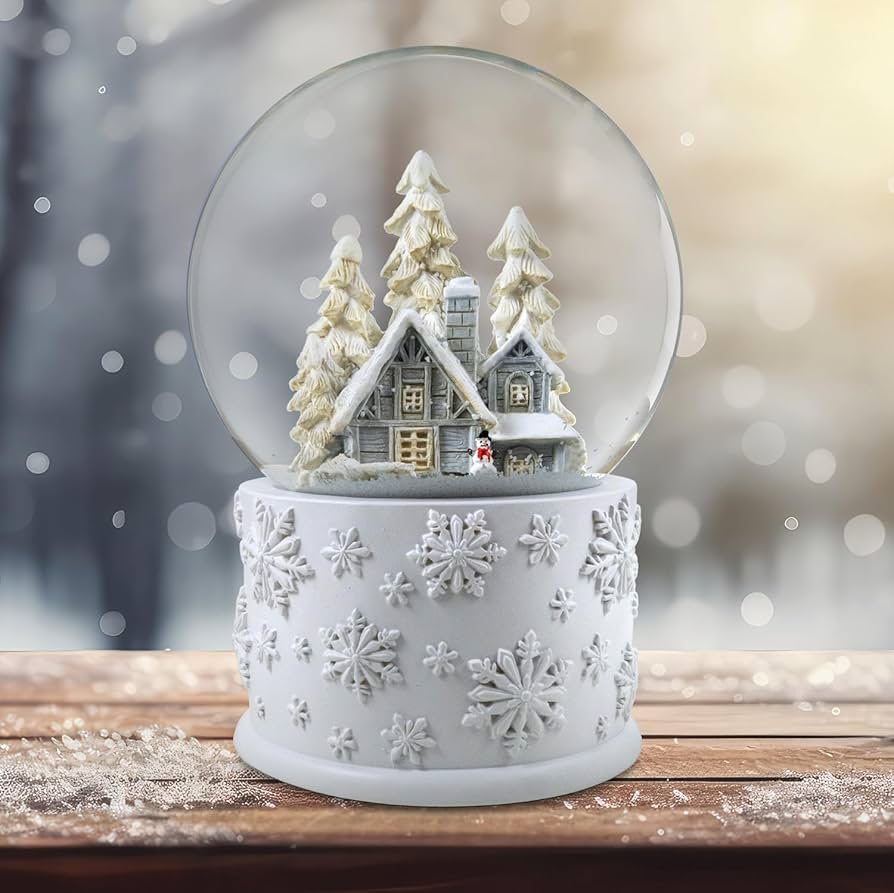
Therefore, a snow globe featuring Father Christmas would qualify as a festive article and would be classifiable in 950510. But a winter scene without any Christmas elements, such as a reindeer in a snow-covered forest, would be excluded. They are considered more in more general terms as ‘winter themed’ and would be classified based on material composition, not as a festive article. It is also important to remember that even if the base of the snow globe predominates by weight, the globe itself provides the essential character and would drive the classification.
Update, November 2025: the rule used in this section has changed. The Additional Chapter Note that excluded general winter items, such as robins, reindeer and snowmen, from heading 9505 was removed on 1 November 2025. Following the WCO Explanatory Notes, a winter-themed item that carries clear Christmas symbols (for example a robin dressed in Father Christmas colours) can now be classified as a Christmas article under 9505. A purely winter scene with no Christmas elements, such as a plain reindeer in a snowy forest, is still classified by its material. See our 2026 guide for worked examples
Getting Christmas classification right with TariffTel
At TariffTel, we make it easy to get customs classifications right by providing intuitive tools that guide you through the classification process. Our system simplifies complex regulations and ensures compliance with the most up-to-date tariff information, saving you time and avoiding costly errors. Platforms like TTVerified catch exactly this kind of nuance, combining automation with expert review.
Whether you’re classifying costumes, ornaments, or any other seasonal products you can throw at it, our expert-led customs classification solution, TariffTel helps you navigate these challenges with confidence! Get in touch to find out more.